Ear Wax Removal from Β£40 Available in Burnley Only

Ear Wax Removal Microsuction Technique

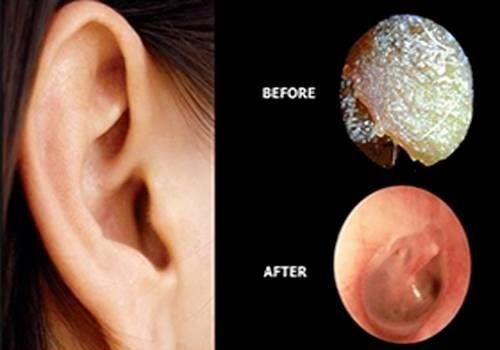
Do you have blocked ears? At Just Health, we offer ear wax removal using the Microsuction technique. Our Clinicians use a microscope to view your ear canal and a small ‘hoover’ to suck out the ear wax, making it a gentle, pain free procedure.

Ear Wax Removal for only Β£55 for Both ears including aftercare.

WHAT IS EAR WAX?

Ear wax, also known as cerumen is a substance secreted in the ear canal of humans. It protects the skin of the human ear canal, assists in cleaning and lubrication, and provides protection against bacteria, fungi, and water. For many people, ear wax goes unnoticed and does not cause any complications. However, for some individuals, earwax can build up and become impacted inside the ear canal.

Effects of excess ear wax can include:
Β· Loss of hearing
Β· Ringing in ears
Β· Earache
Β· Dizziness

WHAT IS MICROSUCTION?

Microsuction is an extremely safe and effective method of removing wax. A binocular operating microscope is used to look directly into the ear canal and a very fine sterile suction device is used to remove the ear wax without damaging the ear canal. It provides instant relief and, in most cases, restores full hearing immediately. Microsuction is completely safe, accurate and effective unlike traditional methods such as syringing. It avoids touching the sensitive skin of the ear canal and will have no contact with the ear drum. This means that the risk of infection is greatly reduced.

WHAT TO EXPECT ON THE DAY?

A fully qualified health professional will do a medical questionnaire and examine your ear with an Otoscope. If impacted wax is present this will be safely removed from the ear.

The procedure takes between 20 and 30 minutes depending on one or both ears being treated.

Olive Oil drops can be used to soften the wax by using a day or two before the appointment. However, this is not essential. Too much olive oil can make the extraction of the wax extremely difficult.

BENEFITS of Ear Wax Removal (Microsuction Technique)

  • Quicker than Syringing

  • Clearer view of ear canal and drum

  • Restored Hearing

  • Less chance of ear infections

  • No messy water used unlike syringing

  • Safe for perforations and history of previous surgery

  • Less chance of dizziness compared to syringing

FAQs Ear Wax Removal Microsuction

Microsuction, on the whole, is a suitable, quick and safe procedure to remove excess ear wax. There are a few instances where it is not suitable. These include:

Complications during any previous microsuction.

Inability to sit still (movement could cause the device to inadvertently damage the inner ear

Severe sensitivity to loud noise. Microsuction does not produce a loud noise but could exacerbate this.

Where it has not been possible to obtain consent.

The presence of ear wax is normal. It functions to keep the inner part of the ear clean, lubricated and clear of foreign bodies. However, too much ear wax becomes disruptive by causing hearing loss and can disturb balance. Microsuction can solve the problem.

Excessive ear wax build up can be caused by using cotton buds forcing wax too deep in the ear canal, wearing hearing aids, tinnitus or a fullness in the ear, dizziness, hearing impairment and wearing of ear buds/headphones amongst other reasons. If there are other concerns found such as infection, then patients will be referred to their GP before Microsuction can be performed.

For only two nights prior to your appointment, the use of two to three drops of olive oil in both ears is advised. This is usually enough to ensure safe and easy removal of excess wax. On occasions some patients need to return for further treatment. In these cases, the appropriate advice will be provided on a case to case basis.

It all depends on your individual circumstances. If it is required to dislodge an item from the ear then hopefully just the one treatment will do. For those who suffer with excess ear wax it is usually recommended to have Microsuction twice a year, however, some patients require it more often, usually 3-4 months. There is no upper limit to how many times you can have the procedure.

As with any clinical treatment there are always risks attached. To minimise risks, a consultation will be performed prior to treatment to ensure the patient is clinically suitable. During the procedure the patient must remain still to prevent any accidental damage. Throughout the treatment the practitioner will regularly communicate with the patient and the treatment can be stopped by the patient or practitioner at any time.

Yes, as long as the child can sit still then it is a safe procedure.

At Just Health

Our Team of Doctors have Completed Medicals for Many Satisfied Customers including Individuals, Businesses and Organisations

Please call us to set up a business account.

(Please note we have no affiliation or link with the below mentioned)